
Tea Gift Sets
Sort by
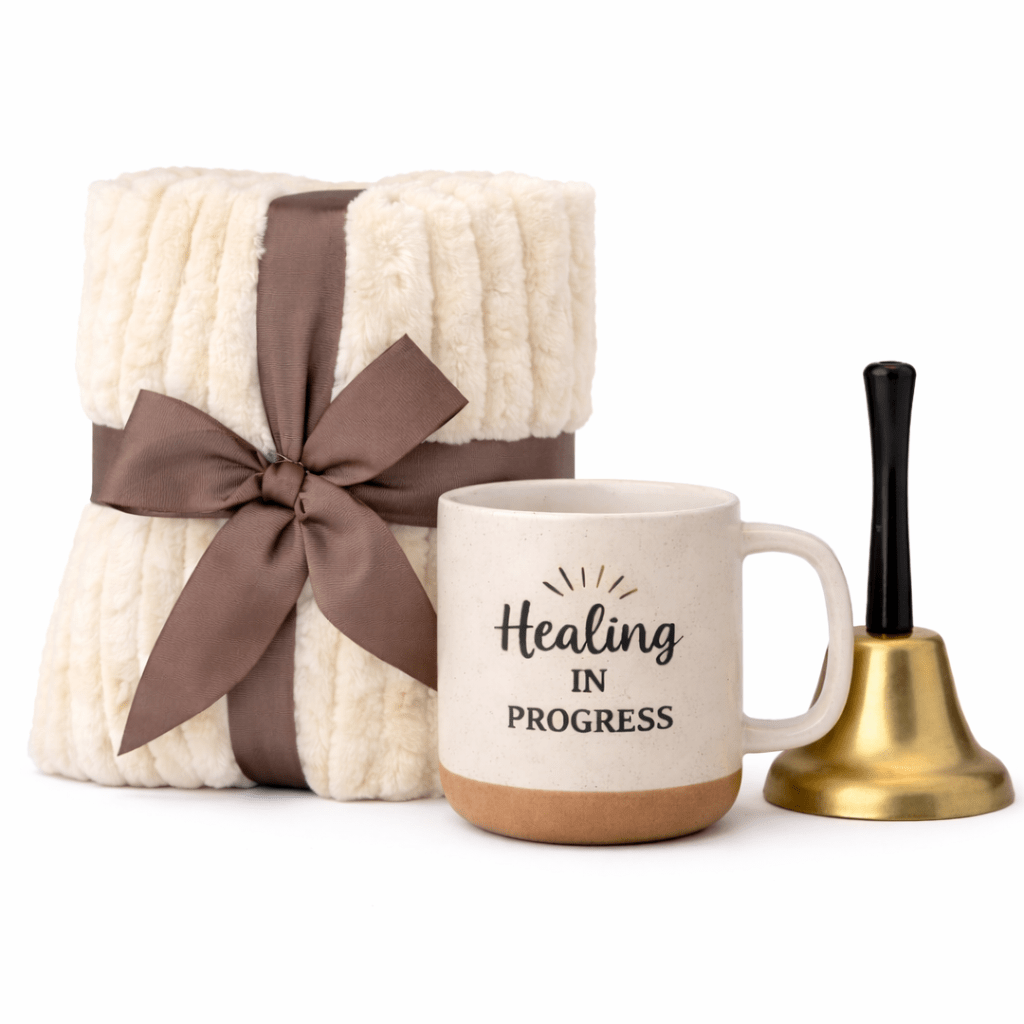
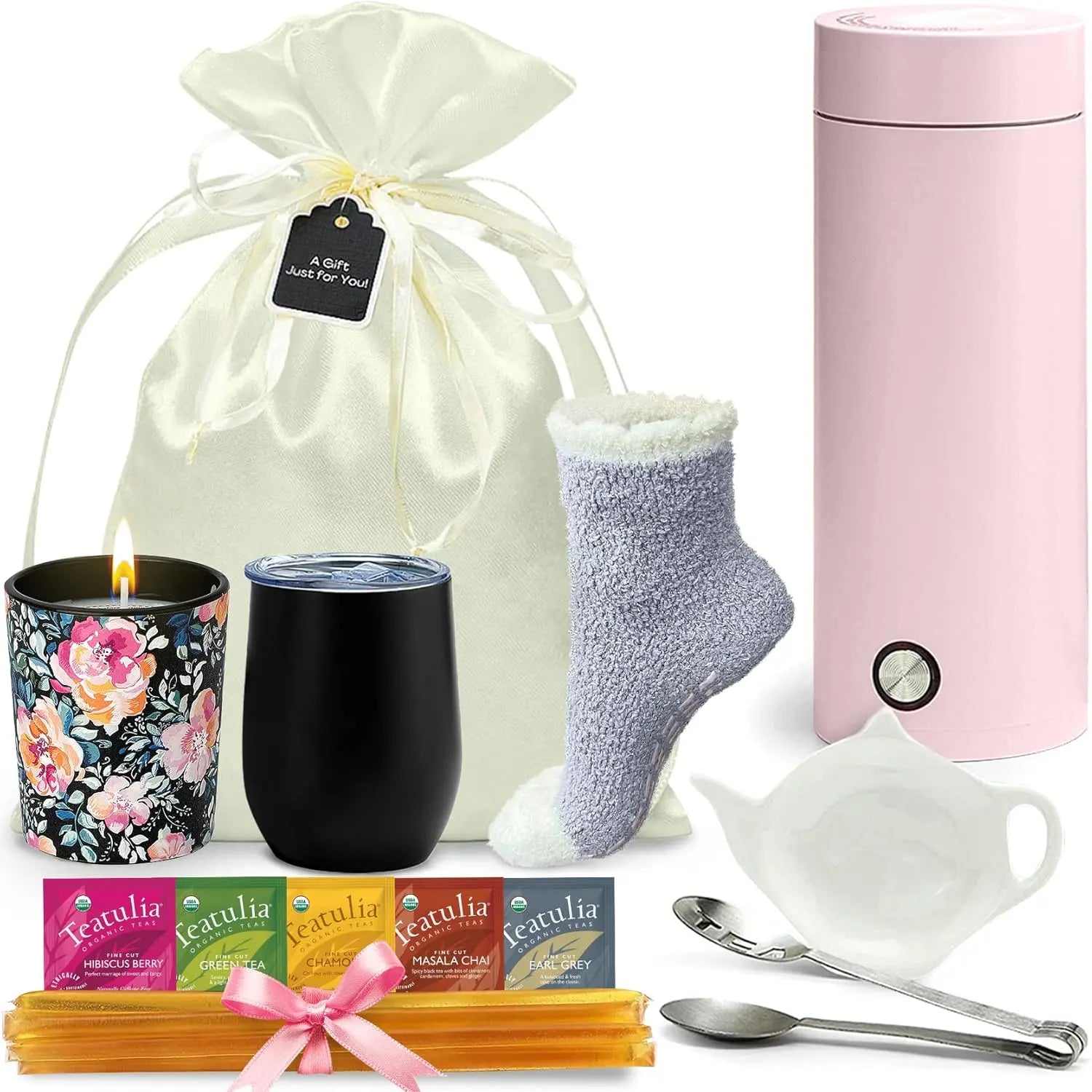
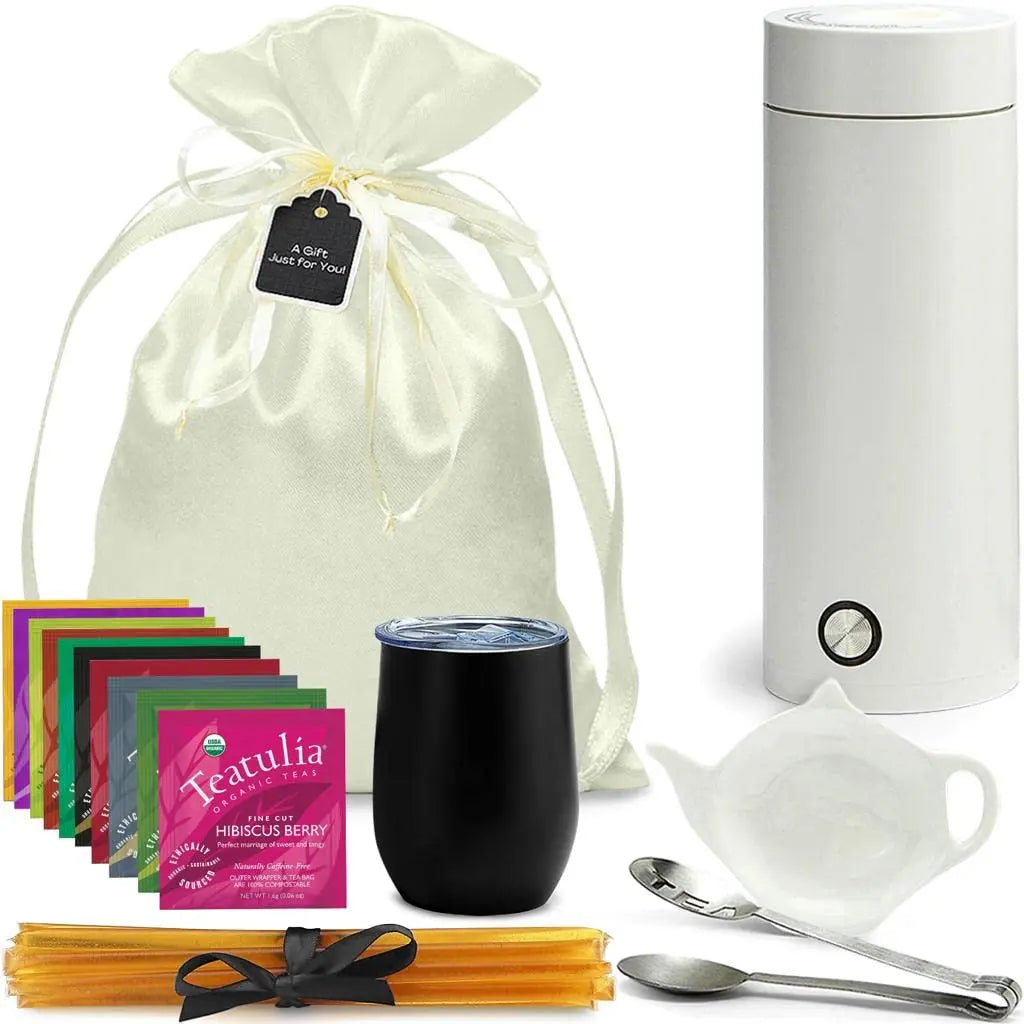
Wellness & Recovery Tea Gift Sets
Beautifully packaged tea gift sets with kettles, mugs, organic teas, and honey sticks. A thoughtful way to comfort loved ones or support recovery.
Tea Gift Sets: How To Choose The Perfect Box For Every Palate And Occasion
Shopping for someone who already has "everything"? Tea gift sets solve that elegantly. They're comforting without being corny, personal without being too risky, and they scale to nearly any budget. Whether you're sending a corporate thank‑you, surprising a matcha lover, or easing a friend into loose leaf for the first time, the right set feels thoughtful and is used daily. This guide shows you how to choose the perfect tea gift box, what types exist, how to match them to taste and lifestyle, which quality cues matter, and the small presentation touches that make your gift memorable.
Why Tea Gift Sets Make Thoughtful Presents
Universal Appeal And Daily Ritual
Tea crosses age groups, cultures, and seasons. A great set taps into a daily ritual, morning black tea, a mid‑day green, a calming caffeine‑free cup at night, so your gift becomes part of someone's routine, not clutter on a shelf. Even non‑tea diehards appreciate having a quality assortment on hand for guests.
Flexible Price Points And Sizes
From under-$20 samplers to luxury wooden chests, tea gift sets meet you where your budget is. You can choose mini flights of five sachets, mid‑range loose‑leaf tins, or comprehensive kits with teaware. That flexibility makes it easy to gift a group, tier gifts for different recipients, or add-on items like honey without overspending.
Easy To Ship, Store, And Share
Tea is compact, light, and shelf‑stable. Most sets ship well, fit in office mailrooms, and don't require refrigeration. If your recipient shares with coworkers or family, individually packed sachets or mini tins make it effortless to split without losing freshness.
Types Of Tea Gift Sets
Classic Samplers: Black, Green, Oolong, White, And Herbal
The all‑around crowd‑pleaser. A classic sampler spans the major categories, think Assam or Darjeeling black, sencha or gunpowder green, tieguanyin oolong, a delicate white like bai mudan, plus a caffeine‑free herbal blend. Great for beginners and curious sippers.
Wellness And Functional Blends
If your recipient leans holistic, choose blends formulated for focus, sleep, or digestion. Common ingredients include peppermint, chamomile, ginger, tulsi, ashwagandha, and lemon balm. Look for clear labeling on caffeine content and purpose so you don't send a bedtime blend to someone who wants a 3 p.m. pick‑me‑up.
Matcha And Ceremony Kits
For the person who loves a mindful ritual, matcha sets usually include ceremonial‑grade matcha, a chasen (bamboo whisk), chashaku (scoop), and a bowl. Pro tip: ceremonial grade is smoother and sweeter: culinary grade is better for lattes and baking. If they're new to matcha, include an instruction card and a sifter.
Flowering And Specialty Teas
Blooming teas unfurl into flowers in a glass teapot, equal parts beverage and centerpiece. Specialty sets may also feature compressed pu‑erh coins, smoked lapsang souchong, or rare harvests. These shine when presentation matters (host gifts, milestone celebrations) or when your recipient loves novelty.
Regional And Single‑Origin Collections
Single‑origin samplers highlight terroir, like a trio from Uji, Japan, or Wuyi rock oolongs from Fujian, China. These sets are perfect for enthusiasts who enjoy comparing tasting notes and brewing parameters.
Sachets Vs. Loose Leaf Sets
Sachets win on convenience, especially at the office or while traveling. Look for pyramid sachets that allow leaves to expand. Loose leaf typically delivers higher flavor clarity and multiple infusions. If you're unsure, choose a hybrid set: loose leaf plus a simple infuser for an easy on‑ramp.
How To Match A Set To The Recipient
Flavor Profiles And Caffeine Preferences
Start with taste. Do they like brisk and malty (Assam), floral (jasmine), grassy (sencha), toasty (genmaicha), creamy (milk oolong), or spicy‑sweet (chai)? If they avoid jitters, prioritize low‑caffeine options like white tea, lightly oxidized oolong, or caffeine‑free herbals. For night owls, an evening set with rooibos, chamomile, and valerian makes sense.
Dietary Needs And Allergen Considerations
Check for gluten‑free processing (some blends use barley or flavorings), nut and dairy cross‑contact, and natural vs. artificial flavoring. If your recipient is vegan, honey packets might be a miss, maple or agave sticks are safer. Organic or kosher certifications can also be important to some recipients.
Experience Level: Beginner To Connoisseur
Beginners benefit from approachable flavors, clear brewing guides, and sachets or forgiving loose‑leaf. Intermediates enjoy single‑origin samplers and brewing accessories. Connoisseurs appreciate rare harvests, limited lots, and transparent sourcing. If they already own gear, skip duplicate kettles and focus on teas they can't find locally.
Corporate, Host, And Holiday Gifting
For teams, choose universally appealing assortments with individually wrapped servings and space for a gift message. For hosts, pick something presentable, flowering teas with a glass pot or a sleek tin set. For holidays, lean seasonal: warming chai, peppermint, winter spice, or citrus‑led greens. Keep alcohol‑free pairings in mind for inclusive celebrations.
What To Look For In Quality
Sourcing Transparency And Freshness Cues
Good tea brands share where teas come from, region, garden, even harvest season. Freshness hints: packed‑on dates, nitrogen‑flushed pouches, and opaque, airtight packaging. For green teas and delicate whites, fresher really does taste brighter.
Whole Leaf Grade, Ingredients, and Flavor Integrity
Whole or large broken leaves brew cleaner and re‑infuse better than dust or fannings. Ingredient lists should be short and recognizable. With flavored blends, natural oils or real botanicals beat artificial flavoring for aroma and finish. If a "vanilla" tea lists only "flavor," it's a pass.
Sustainable Packaging And Ethical Certifications
Prioritize recyclable tins, compostable sachets (without plastic mesh), and minimal filler. Ethical labels, Fair Trade, Rainforest Alliance, organic, signal better practices, though they're not the only path to responsible sourcing. Farmer stories and direct‑trade notes are strong indicators too.
Clear Brewing Guides And Included Accessories
Quality sets tell you exactly how to brew: leaf‑to‑water ratio, temperature, time, and whether a tea re‑infuses. Thoughtful kits include an infuser basket, measuring spoon, or temperature guide. If not included, add a simple stainless‑steel infuser: it removes the biggest barrier to loose‑leaf success.
Budget, Buying, And Presentation Tips
Price Tiers And Value Per Cup
Estimate value by cups per ounce. A typical loose‑leaf tea yields 12–15 cups per ounce, often with 2–3 resteeps for oolong and pu‑erh. A $20 sampler can deliver 30–40 cups, excellent value compared to café prices. Reserve higher budgets for rare teas, matcha ceremony kits, or keepsake boxes.
Where To Buy: Indie Makers Vs. Big Retailers
Indie tea makers often offer fresher small‑batch lots, direct‑trade stories, and unique blends. Big retailers provide fast shipping, return policies, and consistent stock. If you need corporate quantities, retailers scale better: for a one‑of‑a‑kind host gift, indies shine.
Customization, Personalization, And Gift Messages
Many shops let you build a custom sampler, pick tin colors, or add engraved tags. Include a short note, why you chose each tea, when to drink it, or a favorite pairing. That 30‑second personalization makes your tea gift set feel curated, not generic.
Shipping Windows, Storage, And Shelf Life
Ship earlier around major holidays: premium teas can sell out. Once received, store in a cool, dry place away from light and odors. Greens and whites are best within 6–12 months: blacks and oolongs can last longer if sealed. Avoid the fridge, condensation is the enemy.
Unboxing And Reusable Packaging Ideas
A tidy unboxing matters. Choose sets with organized tins or labeled sachets, not loose packets rattling around. Reusable tins, glass jars, or a wooden chest double as pantry storage. Add a simple ribbon, a sprig of rosemary, or a tea towel for a polished finish without excess waste.
Smart Pairings And Add‑Ons
Honey, Chocolate, And Jam Pairings
Pair malty Assam with dark chocolate, floral oolong with milk chocolate, Earl Grey with lemon curd, and smoky lapsang with fig jam. For wellness sets, include raw honey or ginger‑infused syrup: for vegan gifts, maple sticks or fruit preserves.
Mugs, Kettles, And Infusers
A handsome mug or heat‑proof glass cup instantly makes a set feel complete. If budget allows, add a variable‑temperature kettle, game‑changer for green and white teas. At minimum, include a fine‑mesh basket infuser or tea filters for loose‑leaf.
Books, Cards, And Themed Bundles By Occasion
Round out the gift with a tea journal, a quick steeping guide, or a postcard with tasting notes. Theme ideas: "Workday Focus" (sencha, mint, lemon mate), "Cozy Night In" (rooibos vanilla, chai, chamomile), or "Travel The World" (single‑origin flight with a small map).
Conclusion
Tea gift sets hit that rare sweet spot: practical, personal, and pleasurable. If you align flavor profile, caffeine needs, and experience level, and scan for freshness, sourcing details, and clear brewing guidance, you'll land a gift that actually gets used. Add one thoughtful pairing or accessory, wrap it cleanly, and you've turned a simple box into a daily ritual they'll remember.
Frequently Asked Questions
Why are tea gift sets considered thoughtful presents?
Tea gift sets suit many tastes and routines. They offer daily-use value, flexible price points, easy shipping, and options from classic samplers to wellness blends and matcha kits. When matched to flavor and caffeine preferences—and paired with clear brewing guides—they feel personal, practical, and get used instead of shelved.
How do I choose between sachets and loose‑leaf in tea gift sets?
Sachets win for convenience at the office or while traveling—look for roomy pyramid bags so leaves expand. Loose‑leaf typically delivers cleaner flavor and multiple infusions. If you’re unsure, pick a hybrid: loose‑leaf plus a simple infuser to ease beginners into better flavor without sacrificing ease.
What quality cues should I check when buying a tea gift box?
Look for sourcing transparency (origin, harvest), freshness signs (packed‑on dates, nitrogen‑flushed, opaque airtight packaging), and whole‑leaf grades. Ingredient lists should be short and recognizable; natural flavoring beats artificial. Bonus points for compostable sachets, recyclable tins, ethical certifications, and clear brewing instructions or included accessories.
Are tea gift sets safe during pregnancy or with dietary restrictions?
Plain tea is typically gluten‑free, but blends can include barley or flavorings—always check labels. For pregnancy, limit caffeine and be cautious with certain herbs (e.g., licorice, some stimulants). Opt for caffeine‑free options like rooibos or chamomile and consult a healthcare professional for personalized guidance.
Tea subscription vs. tea gift set: which is better as a gift?
Tea gift sets provide an immediate, beautifully presented assortment—great for occasions and one‑time gifting. Subscriptions deliver ongoing variety and discovery over months but require the recipient to manage deliveries. Choose sets for instant impact and controlled budgets; choose subscriptions for enthusiasts who enjoy regular surprises.


